Innovative Applications of Torlon Plastic in Aerospace Engineering
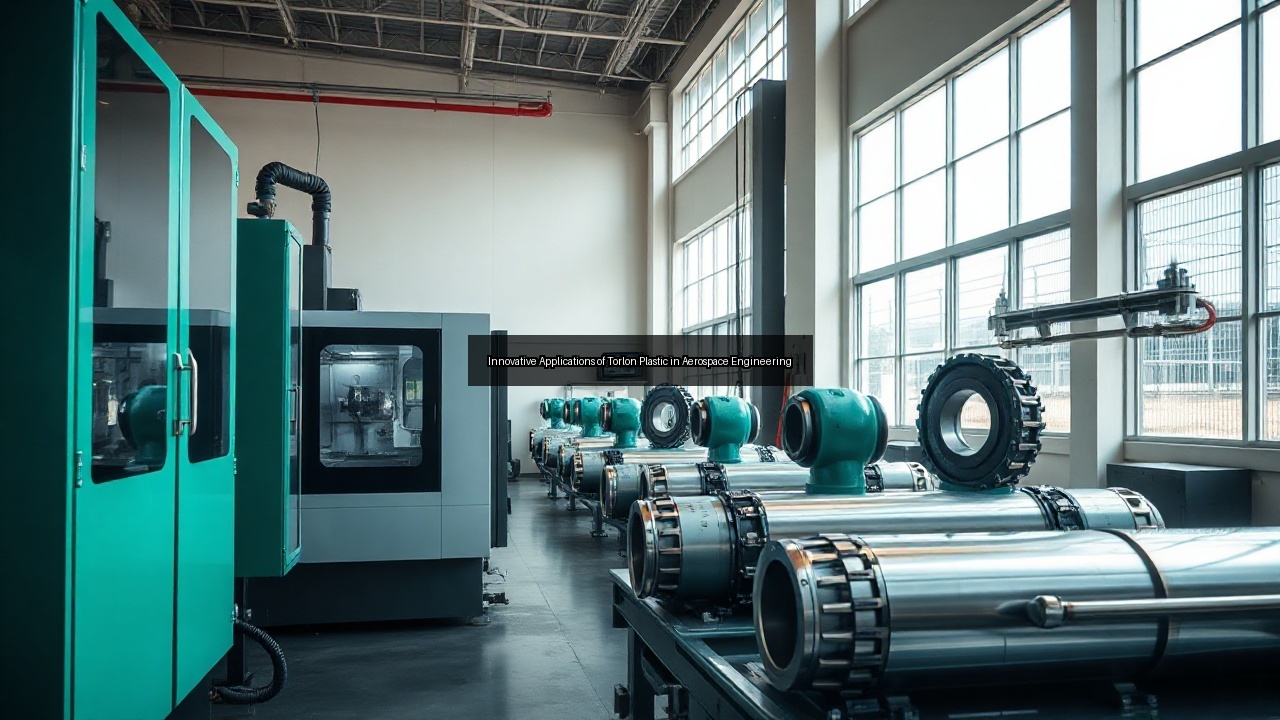
Understanding Torlon Plastic and Its Properties
What is Torlon Plastic?
Torlon plastic, a high-performance thermoplastic, stands out in the world of engineering materials due to its unique composition and properties. This polyamide-imide (PAI) material combines the advantages of both polyamide and imide technologies, creating a versatile option for demanding applications. Renowned for its exceptional strength and stiffness, Torlon plastic is often used in environments that require reliable performance under extreme conditions. Its amorphous structure contributes to its durability, making it suitable for various high-stress applications, particularly in aerospace engineering, where reliability and safety are paramount.
Key Properties of Torlon: Strength and Stiffness
Torlon plastic exhibits remarkable mechanical strength and stiffness, allowing it to withstand significant loads without deforming. This strength is crucial in aerospace applications where components face dynamic forces and high-stress conditions. The high stiffness of Torlon plastic reduces industrial grade torlon plastic the risk of part failure, ensuring that critical components maintain their integrity over time. These characteristics make Torlon an ideal candidate for applications requiring reliable performance, such as bearings and structural components in aircraft. Additionally, Torlon's ability to maintain its mechanical properties at elevated temperatures further enhances its appeal in the aerospace sector.
Thermal Stability and Creep Resistance
Thermal stability is another defining feature of Torlon plastic, allowing it to perform efficiently in environments with fluctuating temperatures. This thermoplastic can endure high operational temperatures without losing its mechanical properties, making it suitable for aerospace applications where parts are exposed to extreme thermal conditions. Moreover, Torlon plastic exhibits excellent creep resistance, a property that prevents deformation under sustained loads over time. This characteristic is vital in aerospace engineering, where components must maintain their shape and function despite prolonged exposure to stress and heat. Together, these properties establish Torlon as a critical material in the aerospace industry.
Innovative Applications of Torlon Plastic in Aerospace Engineering
Use of Torlon in Aerospace Components
Torlon plastic finds extensive use in various aerospace components due to its unique properties. Its application ranges from structural parts, such as brackets and fittings, to functional components like gears and seals. The strength-to-weight ratio of Torlon makes it an excellent choice for lightweight applications, which is crucial in aircraft design to improve fuel efficiency and overall performance. Furthermore, high strength torlon plastic its resistance to wear and chemical degradation enhances its lifespan in harsh environments. Manufacturers increasingly incorporate Torlon into critical systems within aircraft, such as hydraulic systems and engine components, where reliability is non-negotiable.
Advantages of Torlon Over Traditional Materials
Choosing Torlon plastic over traditional materials like metals or other plastics offers numerous advantages. Its superior strength and stiffness reduce the need for additional reinforcements, resulting in lighter components that contribute to energy savings and improved performance. Unlike thermosets, Torlon maintains its properties under varying temperatures and loads, eliminating concerns over brittleness or failure at high stresses. Additionally, Torlon's chemical resistance safeguards against harsh environments, outperforming materials like acetal and polyetherimide in specific applications. These advantages make Torlon plastic an essential material for modern aerospace engineering, driving innovations and enhancing the efficiency of aircraft designs.
Case Studies: Successful Implementation in Aircraft Design
Several successful implementations of Torlon plastic in aircraft design highlight its effectiveness and versatility. One notable case involved the use of Torlon bearings in the landing gear of a commercial aircraft. These bearings demonstrated enhanced performance compared to traditional materials, significantly reducing wear and maintenance needs. Another example features Torlon components in the aircraft’s fuel systems, where their resistance to chemical degradation and high temperatures ensured optimal performance and safety. These case studies illustrate the tangible benefits of integrating high-strength Torlon plastic into aerospace engineering, reinforcing its role as a go-to material for innovative aircraft designs.
Manufacturing Processes for Torlon Plastic Components
CNC Machining and Its Benefits
CNC machining is a preferred method for manufacturing Torlon plastic components due to its precision and flexibility. This process allows for the creation of intricate shapes and tight tolerances, essential for aerospace applications where precision industrial grade torlon plastics is crucial. CNC machines can efficiently handle the unique characteristics of Torlon, ensuring that components meet stringent specifications. The ability to produce complex geometries without compromising the integrity of the material makes CNC machining an invaluable technique in the aerospace industry. Additionally, the repeatability of CNC processes ensures consistent quality across production runs, supporting the reliability and performance of aerospace components.
Injection Molding Techniques for Torlon
Injection molding serves as another effective manufacturing technique for producing Torlon plastic components. This method allows for high-volume production, making it cost-effective for large-scale applications. The process involves heating Torlon until it melts, then injecting it into molds to create the desired shape. Injection molding takes advantage of Torlon's thermoplastic properties, enabling the production of high strength torlon plastics complex parts with excellent surface finishes. Aerospace manufacturers often utilize injection molding to create components like connectors and housings, ensuring uniformity and efficiency in production while maintaining the high-performance characteristics inherent to Torlon plastic.
Extruded vs. Molded Torlon: Which is Better?
Choosing between extruded and molded Torlon plastic components depends on the specific application and design requirements. Extrusion is ideal for producing continuous shapes, such as pipes or sheets, while molding excels at creating complex geometries. Both methods leverage Torlon's unique properties, but each offers distinct advantages. Extruded Torlon allows for long lengths and consistent cross-sections, making it suitable for structural applications. In contrast, molded Torlon enables intricate designs and is often preferred for specialized aerospace components. Understanding these manufacturing processes helps engineers select the most appropriate method for their specific aerospace needs, leveraging the strengths of Torlon plastic effectively.
Future Trends in Torlon Plastic Usage in Aerospace
Integration with Carbon Fiber Composites
The integration of Torlon plastic with carbon fiber composites presents exciting possibilities in aerospace engineering. This combination enhances material properties, resulting in components that are both lightweight and incredibly strong. The synergy between Torlon’s thermal stability and the high-strength characteristics of carbon fiber can lead to innovative designs that improve fuel efficiency and performance. As manufacturers continue to explore this integration, expect to see more advanced applications in critical aerospace components, pushing the boundaries of material engineering and design.
Potential Developments in Engineering Grade Torlon Plastics
Ongoing research and development in engineering-grade Torlon plastics aim to enhance their properties further, making them even more suitable for demanding aerospace applications. Innovations may include modifications to increase strength and stiffness or improve thermal and chemical resistance. These developments could lead to new formulations of Torlon that outperform existing materials in specific applications. Such advancements would solidify Torlon's position as a leading material choice in aerospace, opening doors to more complex and efficient designs.
Adoption of Torlon in Semiconductor Applications
The aerospace industry is not the only sector recognizing the advantages of Torlon plastic. Its properties make it increasingly relevant in semiconductor applications, where precision and thermal stability are critical. The adoption of Torlon in semiconductor manufacturing could revolutionize certain processes, providing materials that withstand high temperatures and chemical exposure while maintaining structural integrity. This trend indicates Torlon's versatility, expanding its role beyond aerospace into other high-tech industries, and demonstrating its potential to meet the rigorous demands of modern engineering challenges.
See Also
- Torlon Plastic and Its Role in Advancing Thermal Management Solutions
- Torlon Plastic as an Insulator in High-Voltage Applications
- Comparing Torlon Plastic to Polyetherimide for Engineering Solutions
- Why Engineers are Turning to Torlon Plastic as a Superior Alternative
- Unlocking the Secrets of Torlon Plastic's Resistance to Creep and High Temperatures